

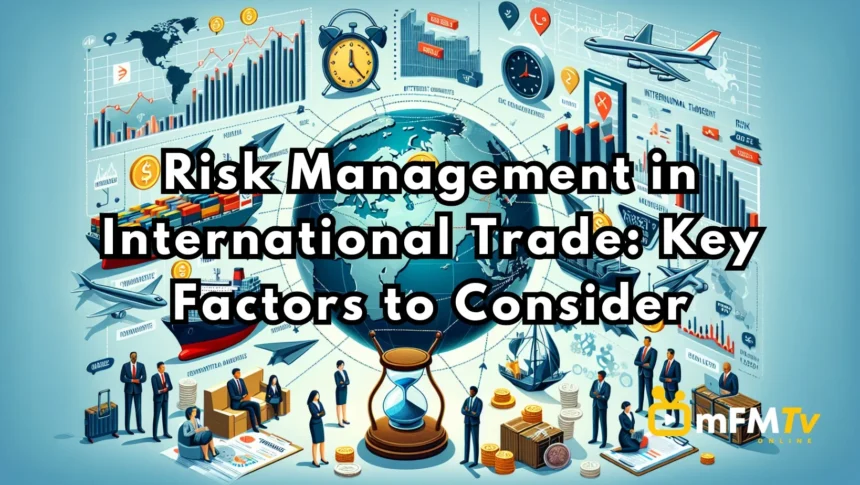
International trade plays a crucial role in the global economy, allowing businesses to expand their market reach and diversify their sources of revenue. However, with the opportunities come significant risks that businesses must manage to protect their investments and operations. Effective risk management is essential for mitigating these risks and ensuring the sustainability of international business activities. In this article, we will explore the key factors that need to be considered in risk management when engaging in international trade.
1. Types of Risks in International Trade
Before diving into risk management strategies, it’s essential to understand the various risks that businesses face in international trade. These risks can be broadly categorized into several types:
1.1 Political Risk
Political risk refers to the potential for changes in the political environment of the country where a business is operating, which can affect trade agreements, regulatory frameworks, and even the stability of the market. This includes risks such as changes in government, trade restrictions, tariffs, expropriation, or even civil unrest. For example, a country may suddenly implement protectionist policies that disrupt international trade, or a regime change could lead to the nationalization of foreign-owned assets.
1.2 Currency Exchange Risk
Currency exchange risk, also known as foreign exchange (forex) risk, arises when the value of one currency fluctuates against another, impacting the profitability of international transactions. Companies involved in cross-border trade may need to pay for goods and services in foreign currencies, and exchange rate fluctuations can significantly alter the expected cost or revenue. For instance, a depreciation in the local currency can lead to higher import costs, whereas an appreciation can affect export competitiveness.
1.3 Credit Risk
Credit risk, also known as default risk, is the risk that a buyer in international trade may fail to pay for goods or services on time, or at all. This is particularly common when dealing with new or unknown trading partners, where there is no established credit history. Non-payment can be detrimental to businesses, leading to financial losses and operational disruption. This risk is even higher in regions with unstable banking systems or unreliable legal frameworks.
1.4 Logistics and Supply Chain Risk
International trade involves the movement of goods across long distances, often via multiple modes of transportation. This exposes businesses to risks related to shipping, delivery delays, customs clearance, and damage or loss of goods in transit. Additionally, businesses may be exposed to risks arising from natural disasters, strikes, or geopolitical tensions that disrupt transportation routes and supply chains.
1.5 Legal and Regulatory Risk
Legal risk refers to the possibility that laws and regulations in the foreign market could change in ways that impact the business negatively. This could involve changes in tax laws, labor laws, import/export restrictions, or intellectual property protections. Failure to comply with local laws and regulations can result in fines, legal disputes, and damage to the company’s reputation.
2. Key Factors to Consider in Risk Management
To successfully manage the risks associated with international trade, businesses must take several critical factors into account. Here are the key considerations in developing a robust risk management strategy:
2.1 Understanding the Market and Political Landscape
A thorough understanding of the market conditions and political environment of the countries in which a business operates is essential. This includes staying informed about the political stability, regulatory changes, and economic policies that could impact international trade. Conducting a risk assessment that looks at both the macroeconomic and microeconomic factors can help businesses anticipate potential risks and plan accordingly.
2.2 Currency Management Strategies
Managing currency exchange risks is vital for businesses involved in international trade. Companies can use several financial instruments to hedge against currency fluctuations, such as forward contracts, options, or swaps. These tools allow businesses to lock in exchange rates or mitigate potential losses from adverse currency movements. Additionally, businesses can also diversify their operations across multiple currencies to spread the risk.
2.3 Securing Payment Terms
To minimize credit risk, businesses should establish clear payment terms with their international partners. This can include using payment methods that offer a level of security, such as letters of credit (LCs) or escrow accounts, which ensure that payment will only be made when agreed-upon conditions are met. Businesses can also consider offering discounts for early payments or using insurance products like trade credit insurance to protect against default.
2.4 Supply Chain Risk Mitigation
Effective supply chain management is key to minimizing risks associated with logistics. Businesses should diversify their supply chain to avoid over-reliance on a single supplier or shipping route. This includes having backup suppliers or alternative transport routes in place in case of disruptions. Additionally, companies should work with reliable logistics providers and ensure that they have the appropriate insurance coverage for goods in transit.
2.5 Legal Compliance and Insurance
Ensuring legal compliance in foreign markets is essential to avoid legal and regulatory risks. This involves understanding local regulations related to customs, taxes, labor laws, and intellectual property protection. Businesses should also seek local legal counsel when necessary to navigate complex regulatory environments. Moreover, having the right insurance coverage—such as political risk insurance, product liability insurance, and transport insurance—can help mitigate the financial impact of unforeseen events.
2.6 Cultural and Communication Considerations
Cultural differences can pose risks to businesses engaged in international trade, especially in negotiations, business practices, and customer relationships. Understanding the cultural nuances of a foreign market can help build trust with local partners and reduce the risk of misunderstandings. Effective communication strategies, such as using professional translation services or hiring local experts, can help mitigate cultural and language barriers.
3. Strategies for Effective Risk Management
Here are some practical strategies for managing risks in international trade:
- Diversification: Spread your business operations across multiple markets, currencies, and suppliers to reduce the exposure to any single risk.
- Due Diligence: Always conduct thorough research on potential trading partners and markets before entering into agreements.
- Utilize Hedging Tools: Use financial instruments like forward contracts and options to hedge against currency fluctuations and other financial risks.
- Build Strong Relationships: Cultivate long-term relationships with suppliers, customers, and partners to build trust and reduce the likelihood of credit risk.
- Monitor and Adapt: Constantly monitor the political, economic, and market conditions of your target countries and adapt your strategy accordingly to stay ahead of potential risks.
4. Conclusion
Risk management in international trade is a dynamic and ongoing process that requires businesses to be proactive, flexible, and informed. By understanding the key risks—political, currency, credit, logistics, and legal—and implementing effective risk management strategies, companies can navigate the complexities of international trade with greater confidence and security. With proper risk management in place, businesses can protect their investments and capitalize on the opportunities that come with engaging in the global market.